


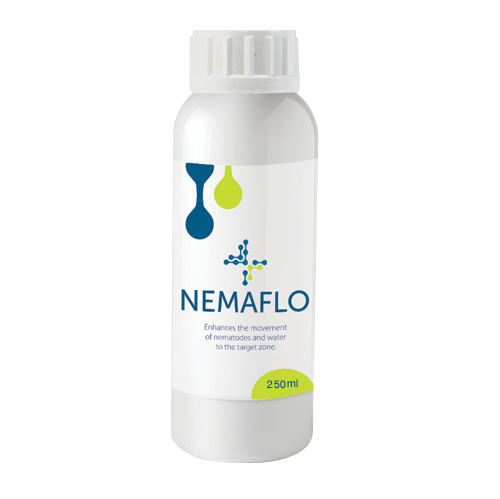
Biological Pest Control for healthier turf and more balanced pest management
Biological Pest Control gives turf managers, grounds teams and lawn professionals a practical way to manage damaging insect pests while working with natural control methods. On sports pitches, golf courses, amenity grass and domestic lawns, pest pressure can weaken the sward, reduce rooting strength and leave turf slower to recover from wear and environmental stress. A well-planned biological approach helps reduce that pressure while fitting into a broader programme built around healthier grass and better long-term surface resilience.
In practical turfcare terms, biological pest control is especially relevant where users want a more targeted and environmentally aware approach to insect management. Rather than relying only on conventional chemistry, biological solutions can form part of a more integrated strategy that matches the pest, the timing and the condition of the turf. For users comparing related routes through the category, it is also useful to explore Insecticides & Pest Control, Professional Insecticides and Organic Insecticides.
Why biological pest control matters in managed turf
Root-feeding and surface-feeding pests can affect more than the look of the sward. They can reduce turf density, weaken plant performance and leave grass less able to recover cleanly. On sports turf, that can affect playing quality and surface consistency. On lawns and amenity grass, it often shows up as thinning, poor colour and weaker regrowth. Biological Pest Control helps reduce those problems by offering a targeted response that fits naturally into modern integrated turf management.
This is especially important where pest control is being treated as part of a wider recovery programme. Once the pest burden is reduced, the grass still needs the support to grow back strongly. That is why biological control often sits alongside Fertiliser, Plant & Soil Health, Seaweed & Biostimulants and Wetting Agents as part of a more complete turfcare plan.
How Biological Pest Control fits into a wider maintenance plan
The strongest results usually come when biological pest control is linked to good monitoring, correct pest identification and sensible aftercare. Not every weak patch is caused by insect activity, and not every pest issue should be managed in the same way. A more professional approach starts with understanding what is happening in the sward, how severe the pressure is and what treatment route is most appropriate for the site.
That is where Biological Pest Control becomes particularly useful. It offers an additional route for managers who want a more integrated programme rather than treating every pest issue in exactly the same way. On some sites, biological methods may be the preferred option. On others, users may compare them with products from Professional Insecticides or Organic Insecticides depending on the target pest, site conditions and wider management objectives.
Professional insight: recovery matters as much as treatment
One of the biggest mistakes in pest management is focusing only on the pest and not on the condition of the turf once feeding damage has been reduced. If the grass is already thin, stressed or nutritionally weak, it may remain open and vulnerable unless the wider programme supports recovery. The strongest pest-control strategies are the ones that combine effective treatment with practical agronomy that helps the sward fill back in.
That is why biological pest control often links back to plant support and soil support. Nutritional backing from Fertiliser, resilience-led inputs from Seaweed & Biostimulants and wider support from Plant & Soil Health can all help the turf recover more effectively after pest activity has been brought under control.
Application quality and supporting equipment
As with any professional treatment programme, application quality matters. Coverage, timing, water volume and operator consistency all influence performance, especially where larger areas or repeat applications are involved. Suitable support from Knapsacks, Sprayers & Equipment and broader practical options within Equipment can help improve accuracy and make treatment work more consistent across the site.
Safe handling and professional site practice are just as important where pest treatments form part of the maintenance routine. Storage, mixing, application and site awareness all need proper attention, which is why PPE & Safety also fits naturally into the wider workflow for biological and integrated pest management.
Part of a more balanced turfcare strategy
Used thoughtfully, Biological Pest Control helps protect turf quality, preserve sward density and support more consistent recovery after pest pressure. It works best when combined with the right wider category support from Insecticides & Pest Control, alongside related options from Professional Insecticides and Organic Insecticides, and backed by stronger plant support through Fertiliser and Plant & Soil Health.
That broader approach is what turns simple pest treatment into better long-term surface management. By reducing pest pressure and helping the grass recover more strongly, Biological Pest Control becomes an important part of maintaining healthier, cleaner and more resilient lawns and turf surfaces.


Recently viewed