


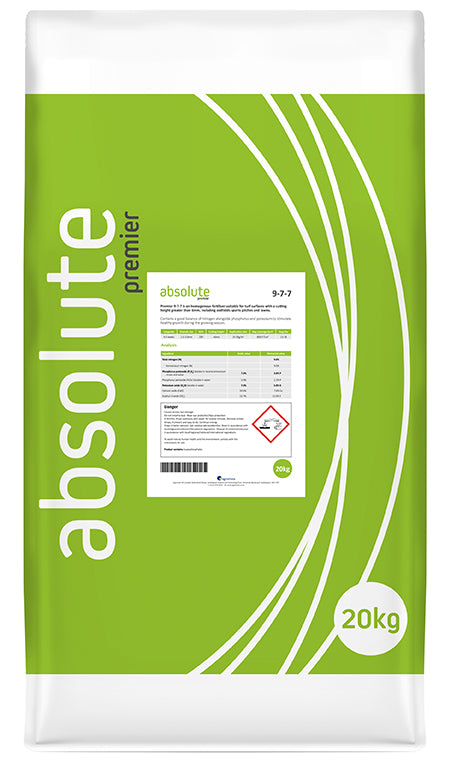

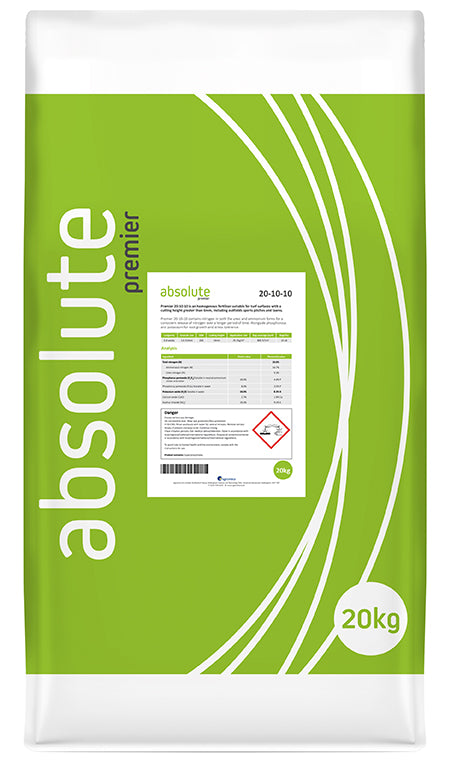
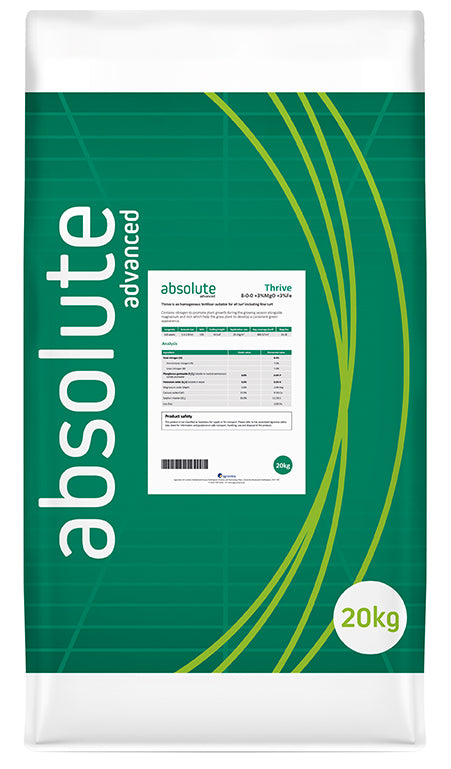


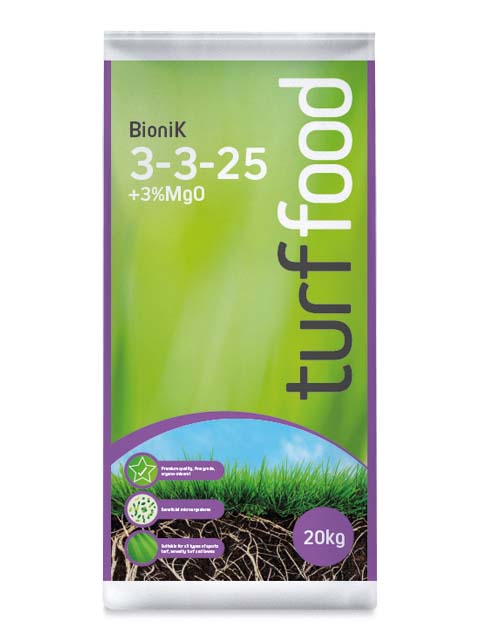


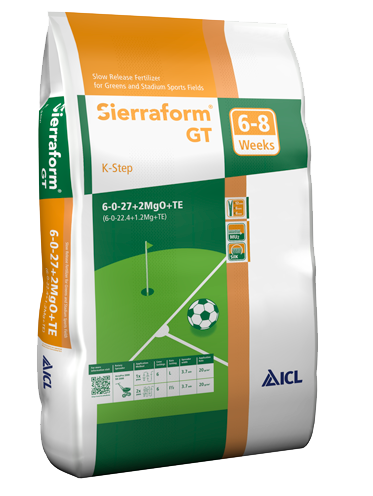
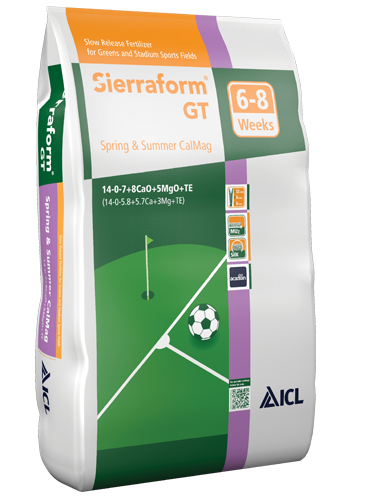
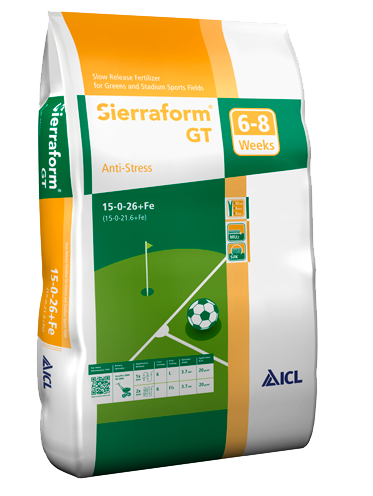
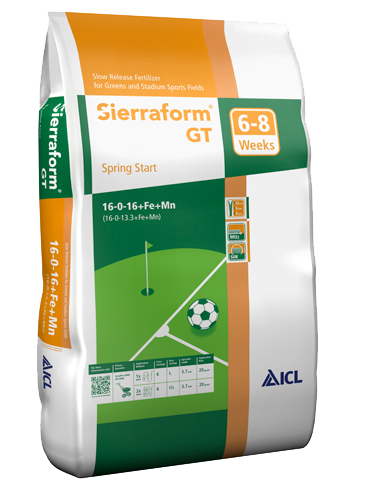
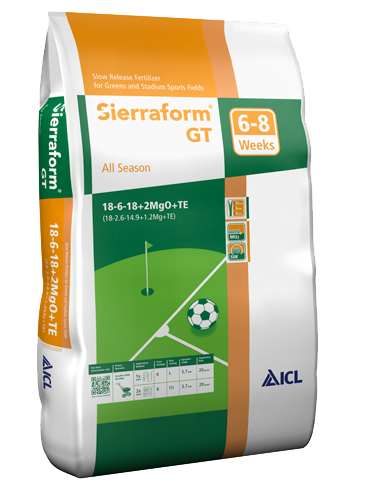
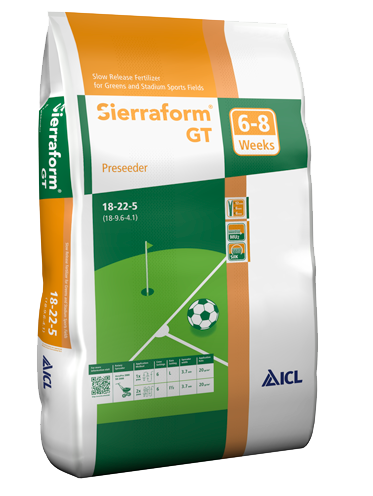
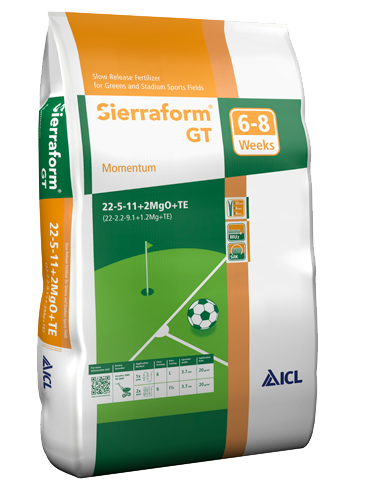


Summer fertiliser for sports turf and managed grass
Summer fertiliser plays a big part in keeping sports turf moving through the busiest spell of the year. From football pre-season to rugby training blocks, cricket outfields and fine turf areas all need steady growth, strong colour and good recovery without becoming soft or lush. That balance matters. In warm conditions, grass is under pressure from play, mowing, moisture loss and plant stress; the right summer fertiliser helps you hold presentation quality while still protecting turf strength.
For most grounds teams, summer fertiliser is about controlled performance. You want enough nitrogen for colour and recovery, but not so much that clipping yield runs away or surfaces lose density and pace. You also want potassium for stress tolerance, balanced phosphate where needed, and sometimes iron or magnesium to sharpen appearance. That is why many managers look at product type as well as analysis. A slow release fertiliser can smooth out growth over several weeks, while a liquid turf fertiliser gives quicker visual response and more flexibility around fixtures and weather windows.
On football and rugby surfaces, a professional summer fertiliser is often used to support wear tolerance and recovery between use. On cricket outfields, the brief is slightly different: even growth, good colour and a clean cut without pushing excessive leaf. On golf and ornamental fine turf, the emphasis is usually tighter still; steady nutrition helps maintain density, ball roll and presentation without creating unnecessary surge growth. In each case, summer feeding sits inside a wider integrated turf management approach rather than acting as a one-product fix.
How summer turf feed works in practice
Most summer turf feed products are built to match active growth and warmer soil temperatures. That can mean a balanced NPK fertiliser, an NK analysis where phosphate demand is lower, or a controlled release blend that meters nutrients over time. Nitrogen drives leaf growth and colour; potassium supports stress tolerance and water regulation; iron can harden appearance and give the sward a richer look. The best choice depends on surface type, mowing height, irrigation capacity and how much growth you can realistically manage.
Granular summer fertiliser is often the first choice for larger sports grounds because it is efficient and gives even coverage when applied accurately. Liquid summer fertiliser suits fine turf managers who want tighter control over timing, lower dose inputs and rapid foliar uptake. Where moisture is limited, product release pattern matters. A coated or controlled release feed can help maintain steadier growth, but it still needs enough soil moisture to perform as intended. That is why summer nutrition and irrigation planning should always be looked at together.
We see the best results when nutrition is guided by real site conditions rather than habit. Soil texture, root depth, organic matter, previous inputs and expected usage all change the picture. Using soil testing to check pH, nutrient status and soil nutrient balance can stop you overfeeding one area and underfeeding another. That is especially useful on mixed estates, school sites and clubs where the stadium pitch, training areas and surrounds may all behave differently.
Choosing the right formulation
When you compare summer fertiliser options, start with the maintenance aim. If you need sustained response through a busy month, a granular or controlled release summer fertiliser may suit you better. If you need a quick lift ahead of a match or tournament, a liquid feed can be easier to fine-tune. Where turf is pale but you do not want too much extra growth, products in the fertiliser with iron range can complement a feeding plan well. If growth demand is high on renovated or heavily used areas, a high nitrogen fertiliser may have a place, but rates need managing carefully in hot weather.
Summer feeding within a grounds management programme
On most sites, summer fertiliser is only one part of the programme. Nutrition needs to support mowing, irrigation, aeration, overseeding and presentation work. A football pitch, for example, may move from spring recovery into summer renovation and pre-season preparation. That means feeding to support plant recovery, then matching inputs to establishment work and early wear. If you are planning oversowing after end-of-season work, linking nutrition with the right football pitch grass seed or other sport-specific seed helps build a stronger, more resilient surface.
Moisture management is another major factor. In dry spells, even the best sports turf summer feed will underperform if the rootzone is hydrophobic or irrigation is inconsistent. That is where wetting agents can help improve water movement and reduce localised dry patch pressure. Used alongside sensible summer fertiliser inputs, they support more even uptake and steadier grass health across the surface. For grounds managers chasing recovery, colour and firmness at the same time, that joined-up thinking is usually what makes the difference.
Application method matters too. Even a strong analysis will disappoint if spread pattern is poor. On larger areas, reliable coverage from seed and fertiliser spreaders helps avoid striping, patchy response and wasted product. Accurate calibration, clean equipment and sensible timing around heat, rainfall and fixture schedules are basic jobs, but they are the sort of details that separate tidy summer feeding from expensive guesswork.
Seasonal timing and practical advice
Summer fertiliser is most useful from late spring into the main growing months, when soil temperatures are active and surfaces are expected to recover quickly. Early summer is often the time for building colour and density after spring wear. Mid-summer usually calls for tighter control; you are managing stress, water use and clipping yield as much as chasing growth. By late summer, feeding often starts to bridge into renovation and pre-autumn planning. Rates, release pattern and nitrogen source should all reflect weather, workload and recovery expectations.
As a rule, choose a warm season turf feed that matches your surface and your capacity to manage the response. Fine turf areas may need lighter, more frequent inputs. Heavily used outfields or training areas can often carry a more robust granular programme. Domestic lawns can benefit too, but the same principle applies: feed for steady performance, not a flush of weak growth. When summer fertiliser is selected well, it supports colour, recovery, rooting, presentation quality and stronger playing surfaces right through the busiest part of the season.


Recently viewed