Latest Guides


Autumn Bowling Green Renovation: A Step-by-Step Guide
02 September 2026


Drought-Stressed Sports Turf? How to Help Your Pitch Recover This Autumn
02 September 2026

Drought-Stressed Sports Turf? How to Help Your Pitch Recover This Autumn

How to Recover Drought-Stressed Sports Turf This Autumn
A brown sports pitch does not necessarily mean a dead sports pitch.
After prolonged heat and drought, established turf can reduce shoot growth, lose colour and shed leaf area as the plant protects its crown and root system. When moisture returns, some areas can recover quickly. Other areas - particularly goal mouths, touchlines, training zones and compacted ground - may have lost enough desirable grass cover to need intervention.
The first job is therefore not to reach immediately for fertiliser, seed or machinery. It is to establish what has actually survived.
That distinction matters after the dry conditions experienced across much of England in summer 2026. By late July, Environment Agency reporting showed exceptionally dry soils in several regions and record soil moisture deficits for the time of year across parts of England. For a turf manager, a rainfall event may change surface colour before it fully restores moisture through the active rootzone.
Recovery is more than turning the pitch green again
A quick return of colour can be reassuring, but colour on its own is not a performance measure. New leaf may appear while turf density remains low, roots are still shallow and high-wear areas contain insufficient plant cover to withstand autumn fixtures.
Equally, straw-coloured turf can retain viable crowns and roots. If the growing point remains alive, the plant can restart when temperature and moisture become favourable.
For football, rugby, school, community pitches, and grassed areas, the useful question is not simply “is it green?” but “does the sward have enough density, rooting and resilience for the use it is about to receive?”
First establish whether the turf is dormant, damaged or lost

Walk the whole surface rather than assessing it from the touchline. Compare representative areas: high-wear zones, shaded areas, exposed sections and the parts of the pitch or turf that have retained better cover.
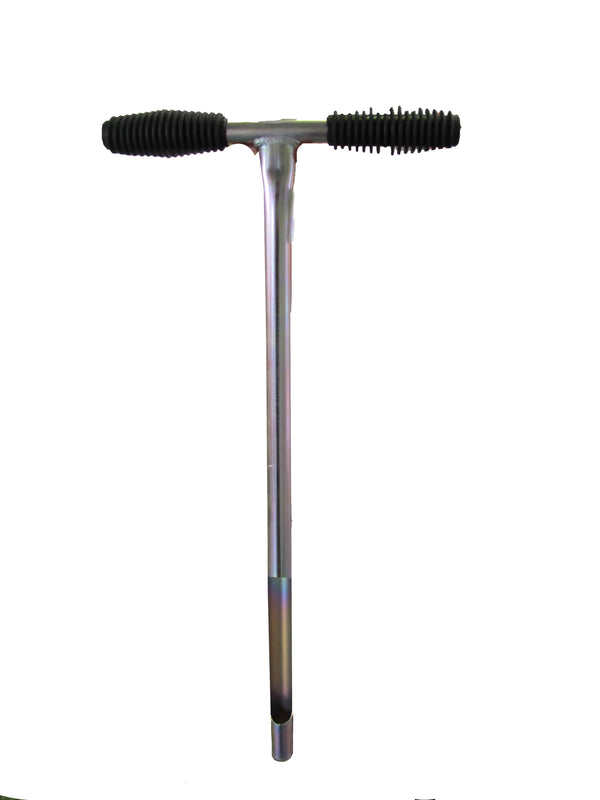
A soil plug or profile inspection often tells you more than surface colour. This can be done usng a standard soil sampler 1". Look at the crown of the grass plant, rooting depth, moisture through the profile, thatch or organic matter, compaction and whether water is moving evenly into the soil.
On larger or higher-value sites, objective measurements can strengthen the diagnosis. Moisture meters, infiltration measurements, compaction testing and soil analysis turn observations into data and help distinguish drought stress from a physical rootzone problem. This performance-led approach is consistent with the way specialist sports turf consultants use surface and rootzone measurements to guide maintenance decisions.
What does the surface tell you?
| What you find | What it may indicate | Likely direction |
|---|---|---|
| Brown leaf but living crowns and reasonable density | Predominantly drought-stressed or dormant turf | Encourage natural recovery and protect the plant |
| Uneven green-up after rainfall | Variable moisture, rooting or localised dry areas | Inspect the rootzone before applying any products |
| Thin turf with living plants between gaps | Partial loss of cover | Recovery plus targeted overseeding |
| Bare goal mouths, touchlines, training zones or high traffic areas | Drought compounded by wear | Targeted repair or mini-renovation |
| Very hard, compacted soil | Restricted rooting and infiltration | Check infiltration and moisture distribution |
| Water running off or bypassing areas | Compaction or possible water repellency | Check infiltration and moisture distribution |
| Weak growth despite adequate moisture | Nutrition, rooting, compaction, disease or another constraint | Diagnose before feeding |
The principle is simple: treat the cause you find, not merely the colour you see.
Restore rootzone moisture before demanding growth
The return of rain is helpful, but the top few millimetres can become wet while the soil below remains dry. On hard ground, intense rainfall may also run off rather than infiltrate. Other profiles can wet unevenly, especially where hydrophobic conditions or localised dry patch have developed.
Check where the water has gone. A soil probe, core or moisture meter can show whether moisture has reached the depth in which you expect active roots to function.
Where irrigation is available and permitted, irrigation should be guided by the profile rather than by appearance alone. Deep, effective rewetting generally supports a deeper rooting response better than repeated superficial sprinkling, although very dry or water-repellent soils may need irrigation delivered in cycles to avoid runoff. Current restrictions and any exemptions for sports surfaces must always be checked with the relevant water company.
If localised dry patch is suspected, remember that it is not the same thing as ordinary drought stress. A wetting agent can be useful where water repellency is part of the diagnosis, but it is not a substitute for understanding the rootzone.
Give the plant time to restart
Drought-stressed turf has been operating in survival mode. Growth and photosynthesis have been restricted; roots may have shortened and leaf area may have been lost. The return of rain does not reset that system overnight.
Avoid responding to the first green shoots with an aggressive programme of close mowing, deep scarification and high nitrogen. Allow genuine active growth to return first.
Where mowing height was raised during drought, bring the surface back towards the required playing height progressively. Retaining adequate leaf area supports photosynthesis and helps the plant rebuild carbohydrate reserves. Continue to follow the one-third rule where practical, particularly on areas that are only just recovering.
Follow the one-third rule when mowing recovering turf: avoid removing more than around one-third of the leaf height in a single cut. Where the surface needs to be brought back to its normal playing height, reduce the height progressively over several mowings rather than scalping the plant. For bowling greens and other closely mown turf the principle still applies, although experienced greenkeepers and grounds maintenance teams may manage mowing height more precisely according to species, growth rate, rooting and surface performance.
Manage the wear as well as the grass
Drought damage is often most severe where environmental stress overlaps with traffic.
For football this may include goal mouths, centre circles, technical areas and repeated assistant referee runs. Rugby pitches can suffer around scrummage zones, training channels and access routes. School and community sites often face a different problem: many teams repeatedly use the same pitch because alternative space is limited.
Where possible, move portable goals, warm-up areas and training drills. Rotate access routes and avoid unnecessary vehicle traffic over weak sections. Repair divots promptly.
Reducing avoidable wear during the recovery window can be as valuable as adding another input, such as a fertiliser. A plant cannot increase density if new growth is being removed faster than it can replace it.
Aeration can help - but the soil decides the timing
Drought and compaction frequently occur together. Dry soil becomes hard, rooting is restricted and water movement can deteriorate. Play and machinery can compound the problem.
Aeration or decompaction can therefore be important, but the right operation depends on soil moisture and the depth of the restriction. Trying to force tines into extremely hard, dry soil can produce limited benefit and unnecessary disturbance. Carrying out aggressive work when the profile is too wet can smear or deform the soil.
Choose the aeration tool for the problem: shallow surface aeration, solid tining, slitting or deeper decompaction each affects a different part of the profile. The objective is not to aerate because it is September; it is to improve air, water movement and rooting where the profile requires it.

When should drought-damaged sports turf be overseeded?
Once the rootzone has rewetted, it becomes easier to distinguish surviving turf from permanent loss.
If the desired species remain reasonably dense and are recovering strongly, a full overseed may add cost and disruption without much benefit. If gaps remain, autumn offers a useful establishment window while soil temperatures can still support germination. This reseeding and overseeding window can run as far as October.
Seed selection should be based on the function of the surface, wear pressure, mowing height, establishment speed and the species already present. Dedicated football and rugby surfaces commonly rely heavily on perennial ryegrass because of its wear tolerance and establishment characteristics. Use cultivars appropriate to the site rather than choosing on price or germination speed alone.
For general hard-wearing amenity areas, school surrounds and recreational grass where a dedicated winter-sports mixture is not required, CC Hardwearing is one possible option. It combines perennial ryegrass with strong creeping red fescue and is positioned for hard-wearing lawns and amenity grassed areas. Masterline PM50 is a finer ryegrass/fescue mixture for durable quality amenity turf and includes tetraploid perennial ryegrass, but it should not automatically be treated as a substitute for a dedicated high-wear sports-pitch mixture.
That distinction is useful: the best grass seed is the one that matches the surface, not simply the product with the most attractive claim. You can also use a Seed Calculator to work out exactly how much you need.
Should you fertilise as soon as rain returns?
Not simply because the calendar says September.
Nutrition is useful when the plant has sufficient moisture and temperature to respond. Applying fertiliser to severely dry turf does not correct the underlying water deficit. Once the profile has rewetted and active growth is visible, nutrition can support recovery, tillering and preparation for winter.
The target should not be the darkest possible colour or the largest possible flush of leaf. Going into autumn, excessive soft growth can create additional mowing demand and may increase vulnerability as light levels decline and leaf wetness increases.
Where soil testing is available, use it. Phosphorus and potassium should not be added automatically if the soil does not require them.
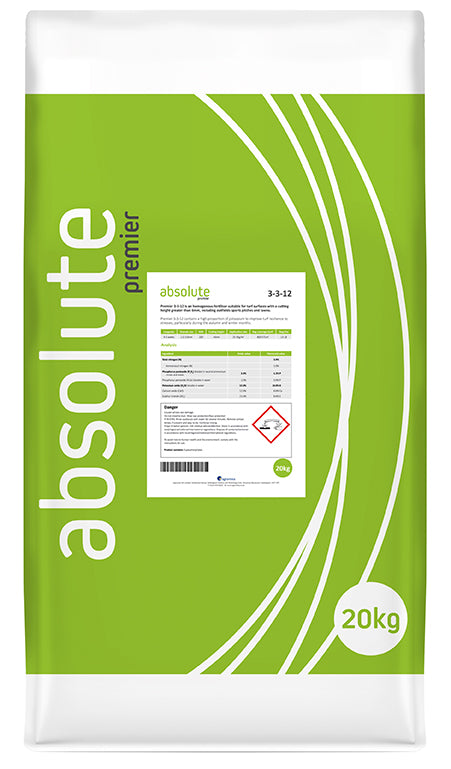
For suitable sports pitches, playing fields and managed amenity turf maintained above 6mm, Absolute Premier 3-3-12 is a lower-nitrogen, higher-potassium autumn option with a stated 4-6 week longevity. A longer feeding approach may suit other sites: Lebanon ProScape 12-6-24 +4MgO combines conventional and methylene-urea nitrogen with extended potassium release and is positioned for sports pitches and outfields, particularly on higher-sand rootzones where leaching can be a consideration.
The right question is not “which autumn fertiliser is best?” It is “what response do I need from this surface, for how long, and what does the soil analysis support?” If unsure you could also look to have a dedicated soil analysis to take the guess work out.
Watch what follows the drought
Open turf can create opportunities for weeds, annual meadow grass and moss as moisture returns. Longer nights, dew and declining light also change the disease environment.
Do not respond by stacking unnecessary treatments. Restore grass cover, manage moisture and nutrition sensibly, and monitor the surface. Where weeds, pests or disease require intervention, identify the problem correctly, where necessary choose a selective weed control suited to the weed species that are present and work within current product labels using an integrated turf management principle.
When does drought recovery become renovation?
Recovery is appropriate where enough desirable turf has survived to rebuild the sward. Renovation becomes more important where drought, wear and compaction have left significant bare ground, poor surface levels, weak rooting or insufficient density for the expected use.
That may involve scarification or grooming, aeration/decompaction, overseeding, compatible top dressing and a planned nutritional programme.
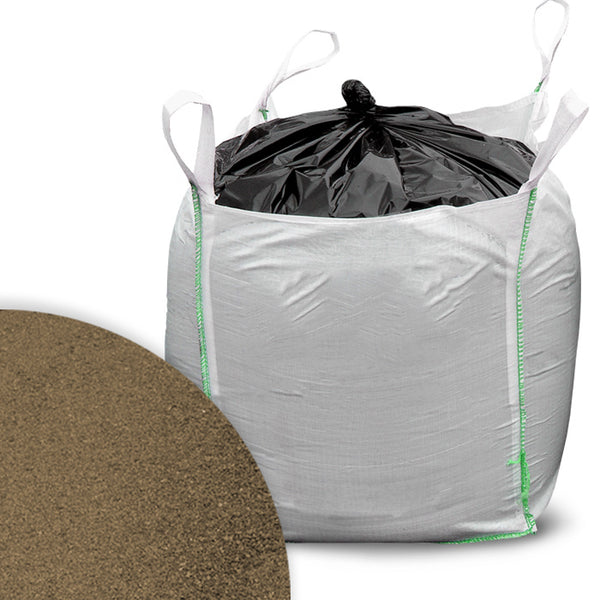
The word compatible matters. A dressing should be selected for the existing soil or rootzone and the job it needs to do. A ratio such as 70/30 does not, on its own, prove that a material is appropriate for a football or rugby pitch; particle-size distribution, organic content, drainage characteristics and the existing profile all affect the result.
If the diagnosis shows that recovery alone will not be enough, continue to our guide Autumn Sports Turf Renovation: How to Overseed, Top Dress and Feed a Worn Pitch for more advice and guidance.
Autumn recovery is preparation for winter
The objective is not to make summer damage disappear as quickly as possible. It is to enter the lower-growth months with the strongest surface that the site, budget and fixture programme can reasonably support.
That means sufficient grass cover, a functioning rootzone, appropriate nutrient status, managed compaction and as much healthy rooting as possible.
A useful sequence is:
- assess the plant and the rootzone
- restore moisture
- reduce avoidable stress and wear
- allow active growth to return
- repair lost cover where necessary
- use nutrition according to need
- prepare the surface for winter use
Get that order right and autumn becomes more than a period of repairing what summer damaged. It becomes an opportunity to improve how the surface copes with the next period of stress.
Frequently asked questions
Will brown sports turf recover after drought?
Often, yes. Brown leaves do not necessarily mean the crown and roots are dead. If the growing point remains viable, turf can resume growth once moisture and temperature improve. Heavily worn or severely stressed areas may still require overseeding or repair.
Should I fertilise a pitch as soon as it rains?
Wait until moisture has returned through the useful rootzone and the turf is actively growing. Fertiliser cannot correct a dry rootzone, and the formulation should be chosen for the surface, soil analysis and required response.
Is September a good time to overseed football and rugby pitches?
Often yes, because soil can remain warm while autumn moisture improves. The important factors are actual soil moisture, temperature, seed choice and the ability to protect new seedlings - not the date alone. It has been known for many overseeding programmes to take place into early to mid-October if the conditions suit.
Does drought-stressed turf always need a full renovation?
No. If the desirable sward has survived and density returns with moisture, recovery and localised repairs may be enough. Bare areas, compaction, poor levels and inadequate turf density are stronger reasons to renovate.

Related Products